Discover Rabat Morocco travel guide in 2025
I was thirty when I first crossed the Bou Regreg River and stepped into Rabat’s kasbah. Since then the capital has become my favourite entry point to Morocco. The city balances living history with Atlantic breeze and never feels rushed. This guide distills a decade of visits into one place. You will find practical advice, seasonal insights, top sights, places to stay, easy ways to move around, and a taste of the food scene. By the end you should know how to shape a Rabat Morocco travel itinerary that matches your own pace.
Summary
Planning your trip to Rabat
Good preparation turns a promising idea into a smooth journey. Start with documents. passports need at least six months’ validity and visitors receive a ninety-day stamp on arrival. Keep printed or digital copies of your passport and onward ticket stored separately from the originals.
Flights and routes
Rabat-Salé Airport sees fewer transatlantic connections than Casablanca but reaching the capital is still simple. Most travellers transit in Paris, Madrid, or Lisbon, then take a short hop south. Royal Air Maroc fleets a daily shuttle from Casablanca that lands in Rabat in forty minutes. Book three or four months ahead for the best fares and reasonable layovers.
Money matters
The Moroccan dirham is a closed currency. Withdraw cash at airport or city ATMs rather than exchange large sums at home. Notify your bank of travel to avoid blocked cards. Budget travellers can live on $50 a day; mid-range comfort sits near $100 including meals and taxis.
Health and insurance
No special vaccines are required beyond routine shots, yet travel insurance that covers medical care and evacuation is wise. Pharmacies stock most essentials though brand names differ. Pack basic pain relief, stomach remedies, and sunscreen.
Packing essentials
Layered clothing handles Rabat’s mild swings between coastal breeze and midday warmth. Long trousers and covered shoulders help when visiting religious sites. Comfortable shoes matter more than style on cobbled lanes. Add a light scarf: it serves as sun shade, modest cover, and even tram pillow during long rides.
Timing and local rhythm
Spring and autumn bring ideal weather near 70 °F with little rain. Summer sees moderate heat tempered by sea air. During Ramadan expect daytime cafés to close while evenings burst with social energy. Festivals such as Mawazine in late May add music and crowds; book rooms early if you plan to attend.
For deeper detail on visas, flight hacks, and cost breakdowns see the full planning guide.
Choosing the best time to visit Rabat
Seasons shape every detail of a Rabat Morocco travel plan, from how long you linger in the Andalusian Gardens to the price of a seaside room at the marina. The capital enjoys a mild Mediterranean climate, yet subtle shifts in temperature, daylight, and crowd size can tilt the experience in your favour—or against it—depending on timing.
Spring charm
March to May brings clear skies, green medians lined with jacaranda bloom, and daytime temperatures climbing from the mid-60s to mid-70s °F. Rain eases off after February, so walking tours feel effortless. Wildflowers colour the Chellah ruins, and café terraces spill onto pavements without the summer crush. If you want tranquil streets and fresh produce at the markets, spring wins.
Summer light
June through August raises the mercury to the low 80s °F, still moderate by Moroccan standards thanks to Atlantic breezes. Long daylight hours mean more sightseeing time, yet accommodation prices rise and July’s cultural calendar swells with festivals. Plan early morning excursions, break for a siesta, and return outdoors after sunset when the medina hums with families out for ice cream.
Autumn balance
September to November mirrors spring weather but with warmer sea temperatures that tempt you onto the corniche beaches. Hotel rates soften after August, and soft golden light flatters every stone archway at Hassan Tower. By late October a light jacket becomes useful at night, but mid-afternoon coffee can still be enjoyed alfresco.
Winter quiet
December to February offers the lowest prices and the smallest crowds. Rain peaks in January, yet daytime highs hover near 60 °F, comfortable for museum visits and tram rides. Layers and an umbrella handle most conditions. For those seeking local interaction over postcard weather, winter’s slower rhythm has real appeal.
For a month-by-month breakdown of festivals, crowd trends, and weather charts, explore the seasonal guide.
Top Sights and Experiences in the Capital
Rabat may be Morocco’s seat of government, yet its rhythm feels gentler than other imperial cities. Landmarks sit within a compact radius so you can thread history, art, and ocean air into one relaxed day.
Kasbah of the Udayas
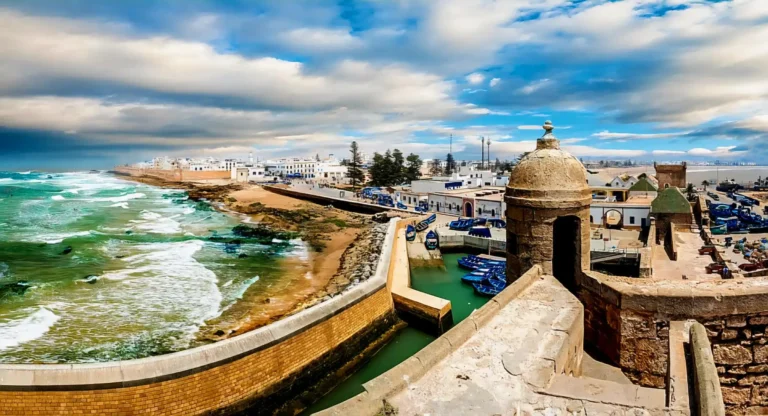
Perched above the river mouth, this 12th-century citadel marks the birthplace of the city. Step through the monumental Bab Oudaia and white-and-blue lanes unfold toward the ocean. Stroll the Andalusian Gardens where fountains whisper under orange trees, then pause at Café Maure for mint tea overlooking the waves. Early mornings offer soft light for photographs and a chance to watch fishermen mend their nets on the rocks below.
Hassan Tower and the Mausoleum of Mohammed V
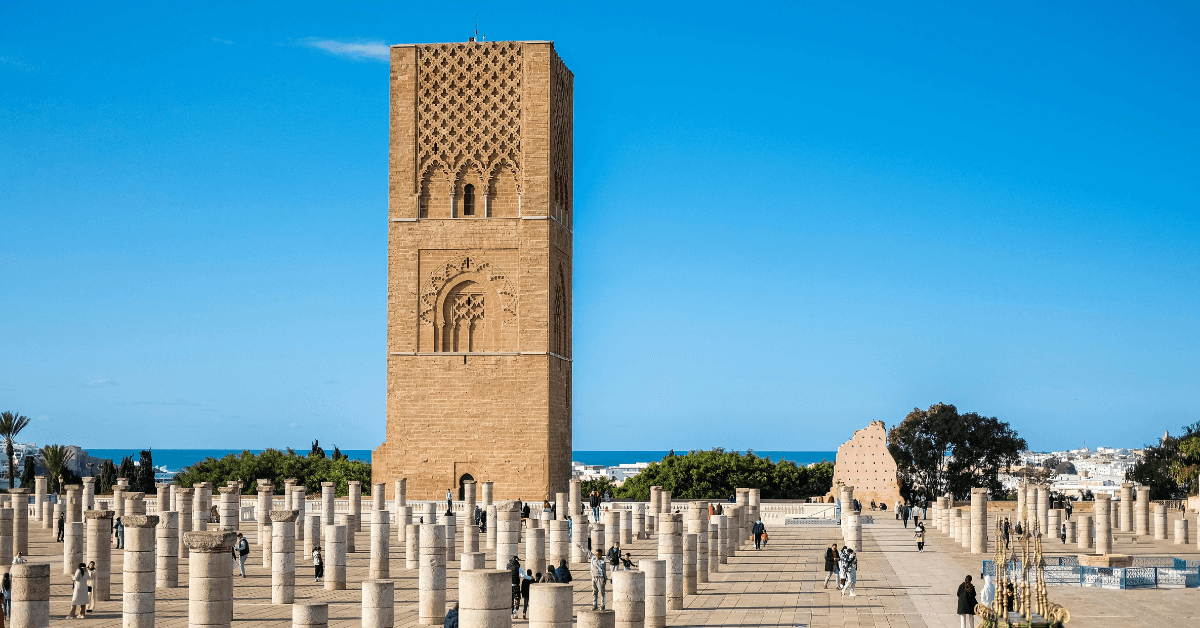
A short walk south reveals Rabat’s signature skyline. Hassan Tower rises 44 metres, an unfinished minaret surrounded by rows of stone columns that hint at a grand mosque never completed after the sultan’s death in 1199. Opposite stands the mausoleum that houses the tombs of King Mohammed V and his sons. Guards in scarlet uniforms frame intricate zellij tilework while a cool hush settles over the marble interior.
Chellah Necropolis
Farther inland, Chellah layers Roman ruins beneath a Marinid necropolis. Crumbling arches host nesting storks that clatter their beaks above mosaic floors. Wander ivy-draped lanes, peek into the ancient bathhouse, and watch the Bou Regreg valley glow at sunset. Bring water—shade is scarce and paths are uneven.
Medina and Rue des Consuls
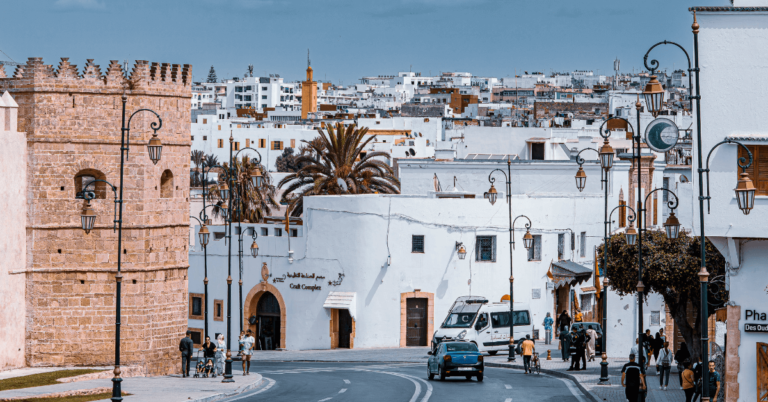
Rabat’s medina feels calmer than those in Fez or Marrakech. Vendors greet without the hard sell, and avenues are wide enough for easy wandering. Look for indigo-dyed babouche slippers, brass lanterns, and the distinctive Rabati rug whose tight weave has warmed palaces for centuries. On Rue des Consuls artisans still hammer silver filigree while tailors stitch kaftans behind wooden lattices.
Royal Palace and Modern Museums
Dar al Makhzen, the royal residence, welcomes visitors only to its outer courtyard, yet the gilded gates and parade of guards offer a glimpse of state ceremony. Nearby, the Mohammed VI Museum of Modern and Contemporary Art showcases works that bridge Moroccan tradition and global trends. Temporary exhibitions rotate often, so check the schedule if you seek a dose of modern creativity.
Bouregreg Marina and Corniche
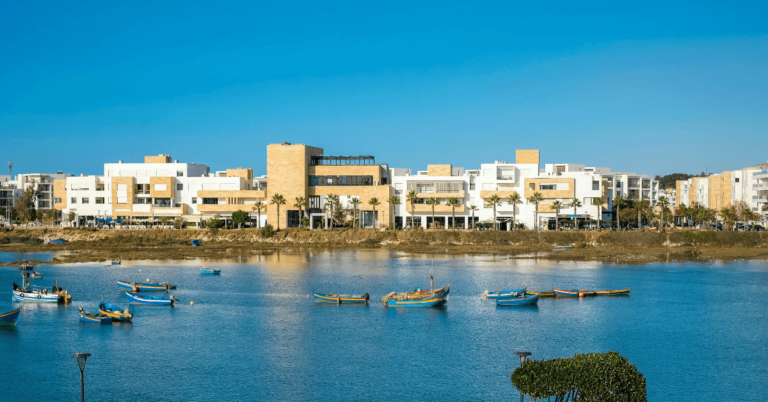
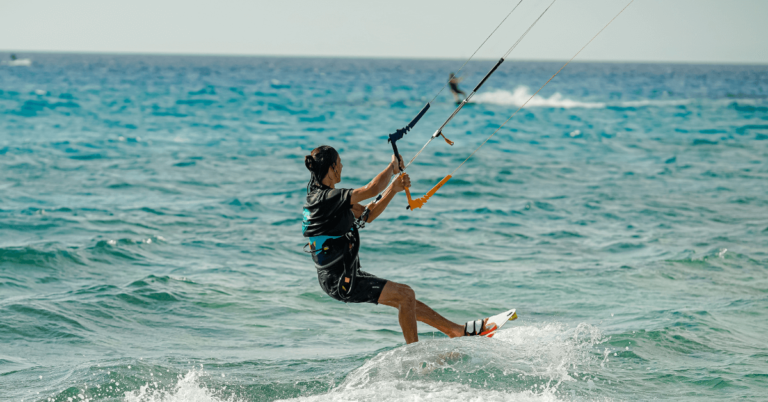
End a long day where river meets Atlantic. The new marina lines boardwalks with seafood cafés and sailboats that bob against the current. Follow the corniche south to Plage de Rabat for a sunset stroll or a quick surf lesson when swells allow.
For an expanded itinerary and insider tips on hidden corners, see our detailed list of things to do in Rabat.
Where to Stay in Rabat
Your bed influences your view of any city, and Rabat offers options that shift atmosphere within minutes of each other. The medina hums with candlelit riads, Agdal buzzes with modern hotels near late-night espresso bars, and Souissi whispers through garden villas behind jacaranda trees.
Medina magic
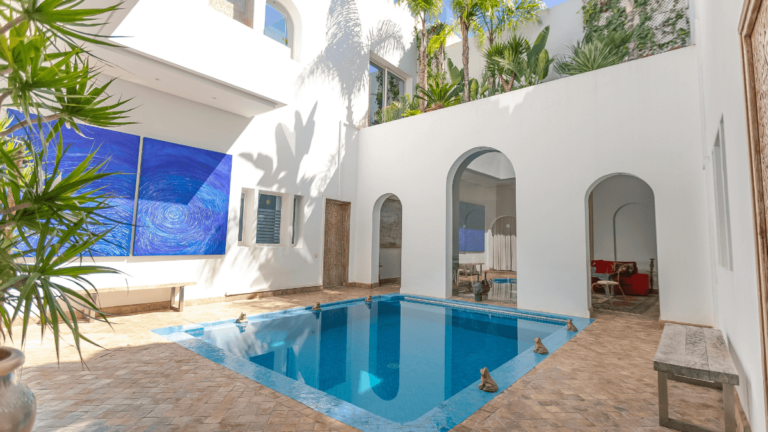
Traditional riads nest inside thick walls that mute the outside world. Rooms circle tiled courtyards cooled by fountains, and breakfasts of msemen and orange juice arrive on the roof under swooping gulls. Expect stairs, occasional call-to-prayer wake-ups, and hosts who treat you like family.
Hassan convenience
Near Parliament and the Mohammed VI Museum, mid-range hotels offer reliable Wi-Fi, elevators, and tram stops at the door. Cafés stay open late, embassies line quiet streets, and you can walk to Hassan Tower in under ten minutes.
Agdal modernity
Wide boulevards and university energy define Agdal. International chains add gyms and coworking lounges. Tram rides downtown take fifteen minutes, yet you are closer to the train station for day trips south.
Souissi retreat
Five-star properties sprawl across landscaped gardens where afternoon tea accompanies bird song. Price tags rise but pools and hammams justify splurges after long sightseeing days.
Bouregreg Marina vibe
Boutique hotels overlook sailboats and seafood terraces. River paths invite sunrise jogs, and the tram whisks you to the medina or across to Salé in minutes.
For price ranges, booking hacks, and my trusted shortlist of addresses, head to the accommodation guide.
Moving Around the City with Ease
Rabat’s scale and efficient transport network make navigation straightforward once you understand the options. Think of the system as concentric circles: the tram glides along the core, taxis fill the gaps, buses and bikes reach the edges.
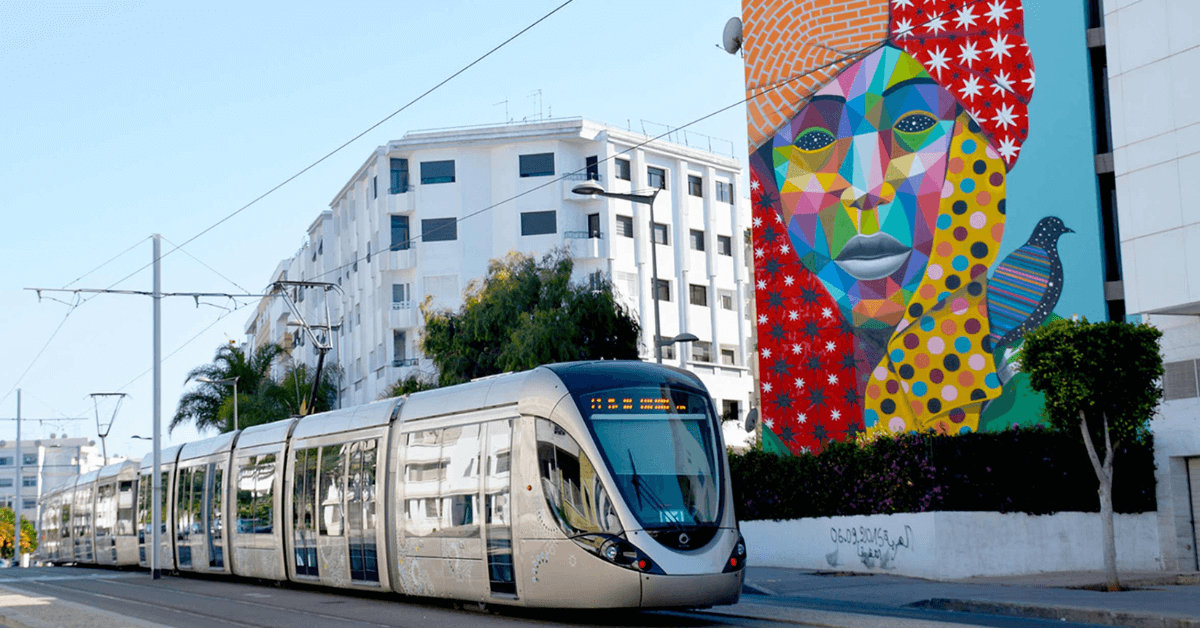
Tramway backbone
Two intersecting lines link key sites from the marina through downtown to Salé across the river. Single tickets cost eight dirhams and machines accept small notes. Trams run every ten minutes from dawn to late evening. Rechargeable cards suit longer stays and save queue time.
Petit taxis for quick hops
Blue petit taxis handle city trips. Fares start at seven dirhams; remind drivers to start the meter. Drivers may pick multiple passengers heading the same direction, a practice that keeps costs low. Carry coins and small bills, and know major landmarks in French or Arabic to speed navigation.
Grand taxis and intercity travel
Cream-coloured grand taxis operate set routes or can be hired privately for airport runs and day trips. Prices are per seat unless you pay to depart immediately. A hop to Casablanca costs around eighty dirhams each when seats fill.
Buses for outer districts
Alsa City Bus covers suburbs like Hay Riad and the national zoo. Tickets run four to six dirhams, paid onboard. Expect looser schedules than the tram but routes that reach places rails miss.
Bikes and walking paths
Bike-share stations line the river promenade and major tram stops. The terrain is flat, and dedicated lanes grow each year. Short rides cost two dirhams, perfect for sunset spins along the corniche. Central Rabat remains walkable; most landmarks cluster within twenty minutes on foot.
Ride-hailing apps
Heetch partners with licensed taxis and offers transparent pricing. Coverage is best downtown and near the marina. Apps prove handy after midnight when street taxis thin out.
Airport transfers
The airport lies eight miles northeast. Catch the hourly shuttle bus to Rabat Ville station for twenty dirhams or take a fixed-fare taxi at 150 dirhams. Pre-booked rides remove guesswork after late arrivals.
Master these modes and you can string sites and meals without wasted minutes. For fare tables, etiquette tips, and a one-day transport challenge itinerary, explore our complete mobility guide.
Savoring Rabat’s Food and Cultural Scene
Many travelers picture Morocco through the lens of Marrakech’s spice markets, yet Rabat offers its own palette of flavors and traditions. The capital’s coastal setting inspires seafood menus, while imperial history lends refinement to even humble street fare.
Breakfast on the go
Before sunrise bakers fire round khobz loaves and flip buttery msemen on sizzling griddles near Bab El Had. Pair a square pancake with a glass of nouss-nouss—half espresso half milk—and join commuters gathering energy for the day.
Lunchtime tagines
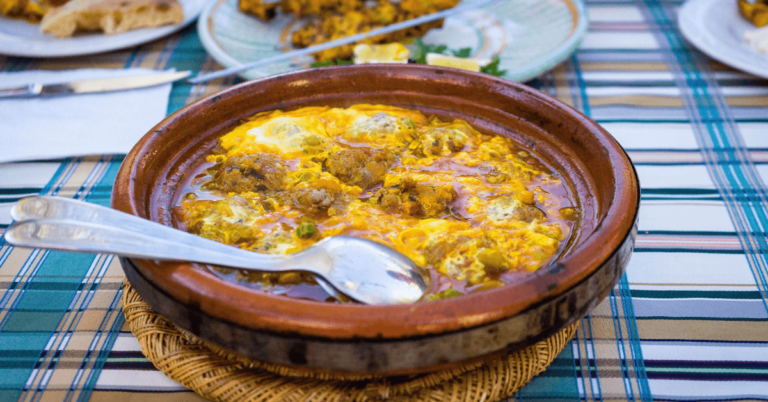
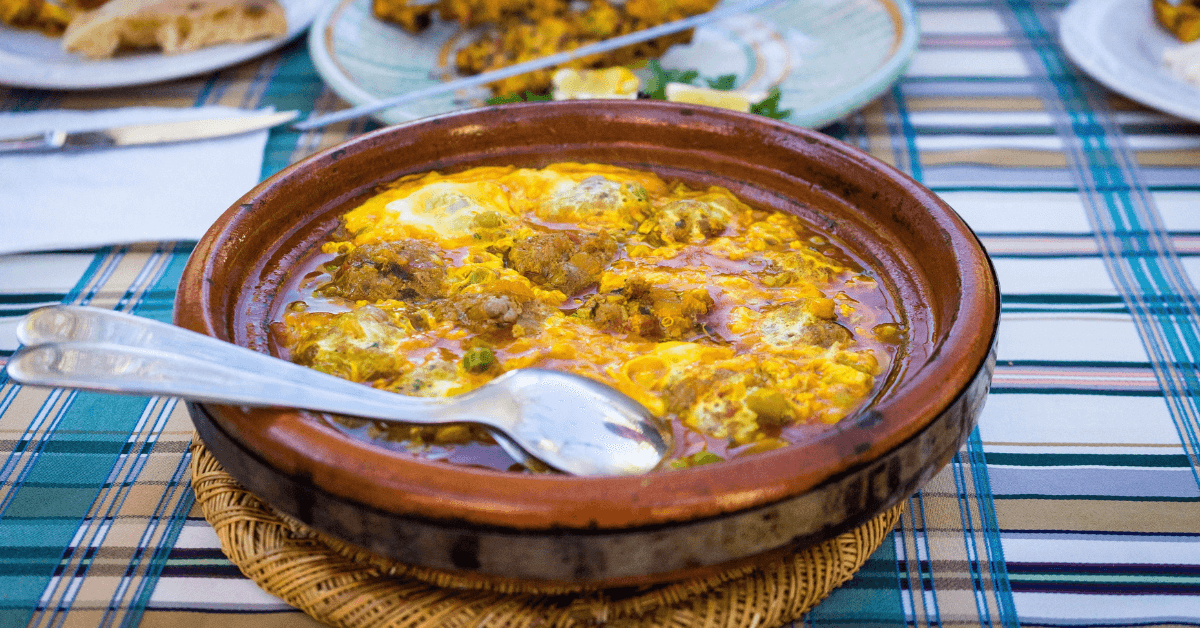
By noon the scent of lemon chicken tagine drifts from medina cafés. For deeper flavor venture to small canteens near Rue des Consuls serving mrouzia, a lamb tagine sweetened with raisins and almonds. Dishes arrive in the same clay they cook in; use bread as your utensil.
Snack culture
Between museums pick up makouda, garlic-spiced potato fritters tucked into baguette halves, or sip bissara, a velvety fava bean soup drizzled with olive oil and cumin. These snacks cost less than a dollar yet fuel hours of exploration.
Seafood evenings
At the Bouregreg Marina grilled sardines come straight off boats at sunset. Ask for chermoula marinade and side salads of zaalouk (smoky eggplant) or taktouka (pepper-tomato relish). Local white wine pairs well if you drink.
Sweet endings
End meals with pastilla, layers of pastry wrapped around pigeon or chicken, dusted in cinnamon sugar. Finish with mint tea poured in a high arc to form froth, a ritual that slows conversation and signals hospitality.
Cultural etiquette
Eat with the right hand when sharing communal platters.
Accept tea when offered; refusal needs a clear reason.
Modest dress shows respect in family eateries.
Tipping rounds bills by ten percent.
Rabat’s cuisine tells a story of sea, garden, and court. For vendor maps, recommended restaurants, and cooking class leads, browse our food culture guide.
Rabat rewards travellers who appreciate layers of history served at a coastal pace. Within one compact visit you can trace Phoenician ruins, sip espresso beside art deco façades, and watch surfers ride Atlantic swells below ancient ramparts. The capital’s manageable size means less time commuting and more time listening to storytellers in the medina or sharing mint tea at sunset. Use the insights above as a loose framework, then adjust to your own rhythm. When questions arise about visas, flight routes, or budget, turn to our page of practical planning tips and smooth the path before you arrive. Pack light, stay curious, and Rabat will unfold with gentle confidence.
Heading

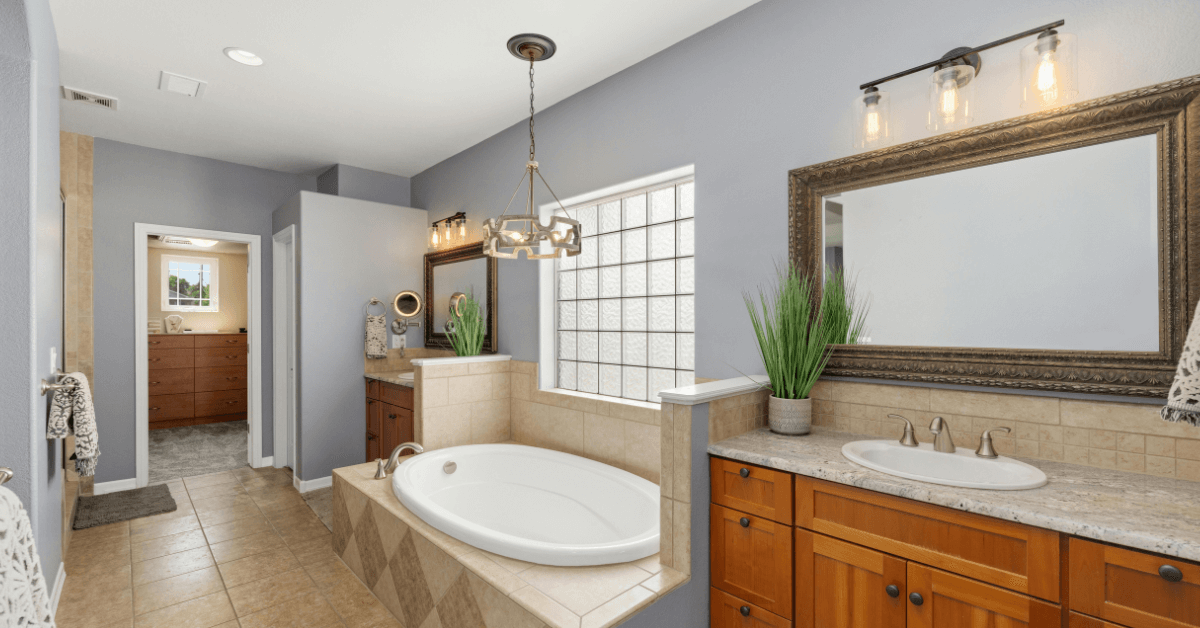
Rabat Morocco hotels: Best Accommodations in 2025

Getting Around Rabat Morocco: Transportation Guide 2025

Rabat morocco food culture: Authentic dining experiences in 2025

Discover Rabat Morocco travel guide in 2025

Navigating Fes transportation tips